Can Hybrid Learning Save Higher Education?

Colleges and universities have been hard hit by the pandemic, with massive losses in revenues and student counts. A great disruption that was already underway—questions about the value and cost of four-year higher education, the high stress of student debt, increased use of distance learning—has accelerated during COVID 19 and created a generation of students looking for something new, yet still hungry for the collegial experience of in-person interaction and community. How can their needs be addressed, and help schools survive, by hybrid learning approaches that are fast accelerating in the wake of the pandemic?

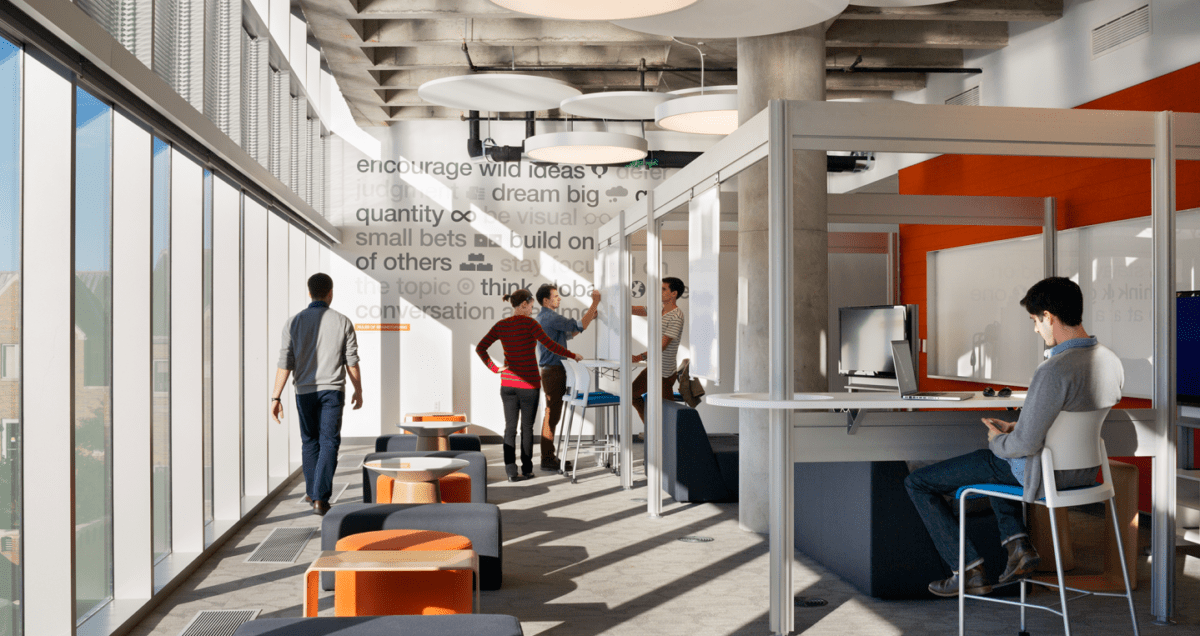
As we fnd ourselves washed ashore after the global COVID shipwreck, the frst step is to acknowledge and understand this moment of crisis and opportunity. Hybrid or blended ed spaces used to mean the “fipped” curriculum in which class lectures are viewed online, and classrooms are used for active, hands-on, lab type activities. While that may still apply, a more broadly implemented hybrid learning approach now offers a path to reaching more of the under-served, expanding the student population, bolstering college revenues, and making far more effective use of in-place learning environments. It’s not simply a matter of using more on-line curricula, but a comprehensive blooming of creative learning options that is far more responsive to the diversity of student needs and means.
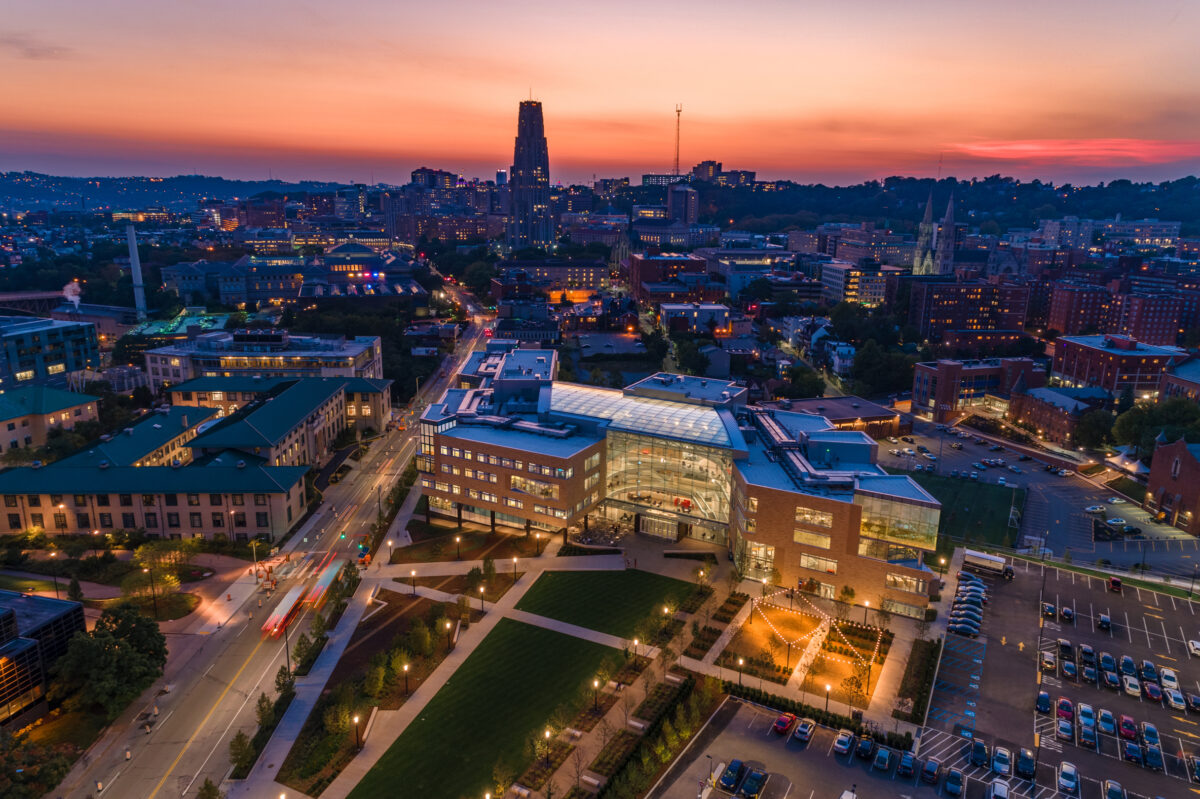
Tepper Quad Symbolizes a Dramatic Shift in Business School Education

Poets & Quants writes about the opening of our new Tepper Quad at Carnegie Mellon University:

“These days, new business school buildings have become a dime a dozen. In the last few years alone, Yale, Northwestern Kellogg, Texas’ McCombs, Cornell, and UC Berkeley Haas have put up sleek modern structures filled with the latest gee-whiz technology to beam classroom discussions all over the globe.

But today’s grand opening of Carnegie Mellon University’s new Tepper School of Business is something entirely different. The new $201 million Tepper Quad symbolizes a dramatic shift in the way business education is changing.”

Click HERE to read the full article, including a video from Poets & Quants.


A School with Flexibility for Today and (an Unknown) Tomorrow

Education — in the K-12 world and beyond — is rapidly evolving in significant social, cultural, and pedagogical directions. Innovative schools take on a wide range of social and cultural challenges in their ultimate mission to prepare students for a dynamic future. Incorporating new technologies, reaching out to support under-served and disenfranchised groups, nurturing creative thinking, and engaging the business community are just some of the ways that creative schools are re-defining public education.

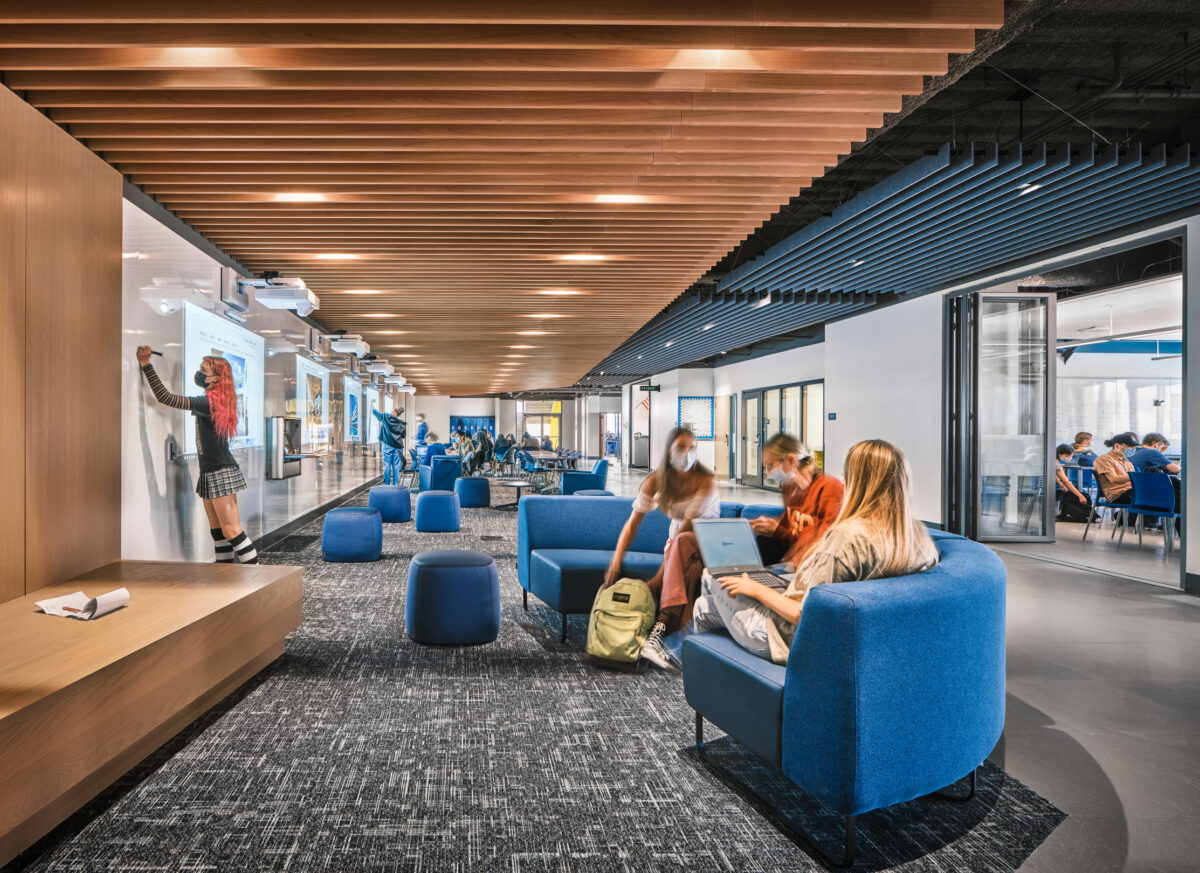
Today’s approach to K-12 innovation is all about flexibility and change. School architecture is driven by pedagogy, which is profoundly affected by the fluid development of information and classroom technologies. Learning, subject to this type of broad evolution, calls for the architecture itself to be less about a building and more an operable, adaptable platform. The Samohi Discovery Building exemplifies this important trend.

This project has been a rich and collegial collaboration between two architectural firms — Moore Ruble Yudell and HED — a very engaged client / owner, and a deep consultant team. Intensive workshops with teachers, students, and administration fed into the design. The project is part of a multi-phased redevelopment and replacement plan for the historic campus, and includes a new aquatic center.

This project represents a new approach to long term building for a community, and to blending public and private uses for mutual benefit. The new Discovery Building at Santa Monica High School was conceived as an open building. It considers the whole building as a learning environment that anticipates change.

Back to Top